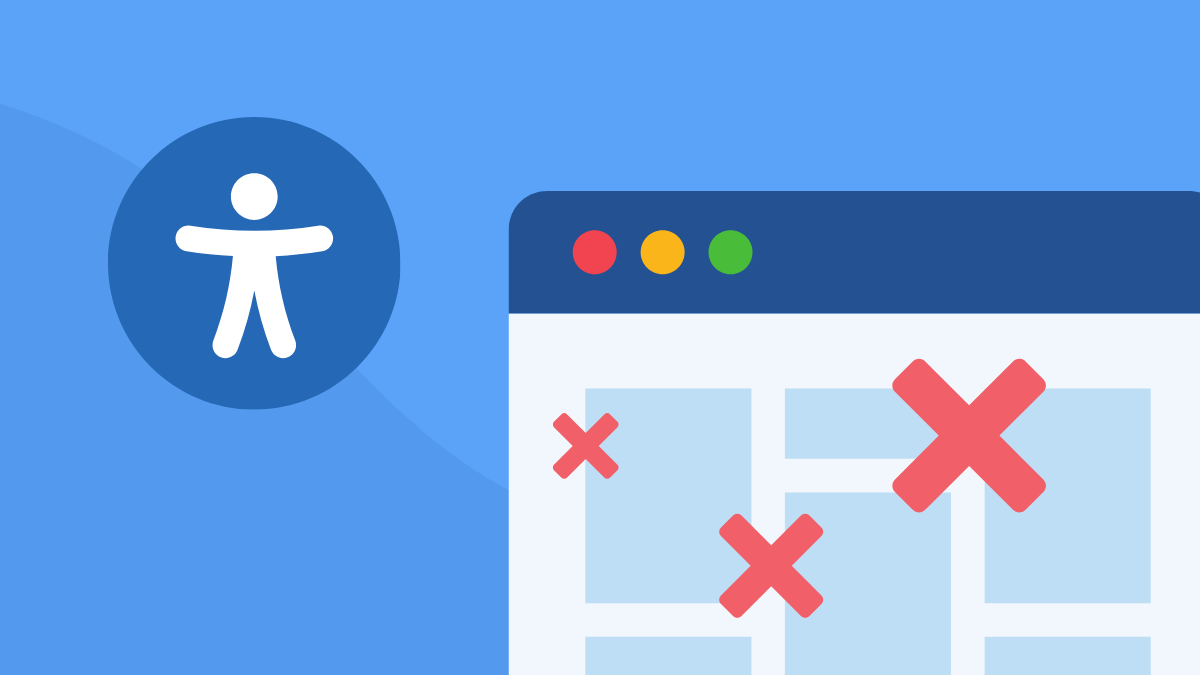
After years of advocacy, lawsuits, and public comment calling for the Americans with Disabilities Act (ADA) protections to extend into the digital age, the federal government finally shifted from offering guidance to enforcing clear standards in its landmark April 2024 ruling.
For the first time, public schools and other state and local entities are legally bound to follow the internationally recognized WCAG 2.1 Level AA standards, which spell out in practical detail how digital content must be made accessible. The rule took effect on June 24, 2024, giving districts until April 24, 2027, to identify barriers, remediate content, and ensure their digital environments fully comply.
The scope is broad, covering:
-
-
- Websites – including district and school homepages, calendars, and news updates.
- Mobile apps – any app provided or required by the district.
- PDFs and posted documents – enrollment forms, handbooks, policies, and other public-facing files.
- Learning platforms – LMS portals like Google Classroom, Canvas, or Schoology.
- Other digital tools – grade portals, report cards, lunch payment systems, and more.
WCAG 2.1 Level AA spells out specific requirements such as providing alt text for images, captions for videos, keyboard navigability, consistent heading structures, sufficient color contrast, and error messages that can be understood by assistive technologies. In practice, this means districts must ensure that online forms can be completed without a mouse, videos include captions, images have descriptive tags, and websites avoid color combinations that are unreadable for people with low vision.
Although there are narrow exceptions, they are tightly defined. Archived content that is not actively used by students or families and certain live streams that are not retained for later viewing may be exempt. However, if archived materials are updated or if recordings remain online for student use, they must meet accessibility standards.
In short, the rule makes clear that the materials students and families rely on every day—including current documents, active websites, and frequently used digital tools—must be fully accessible.