


Understanding Classroom Management Styles and How To Find the Right One for Your Students
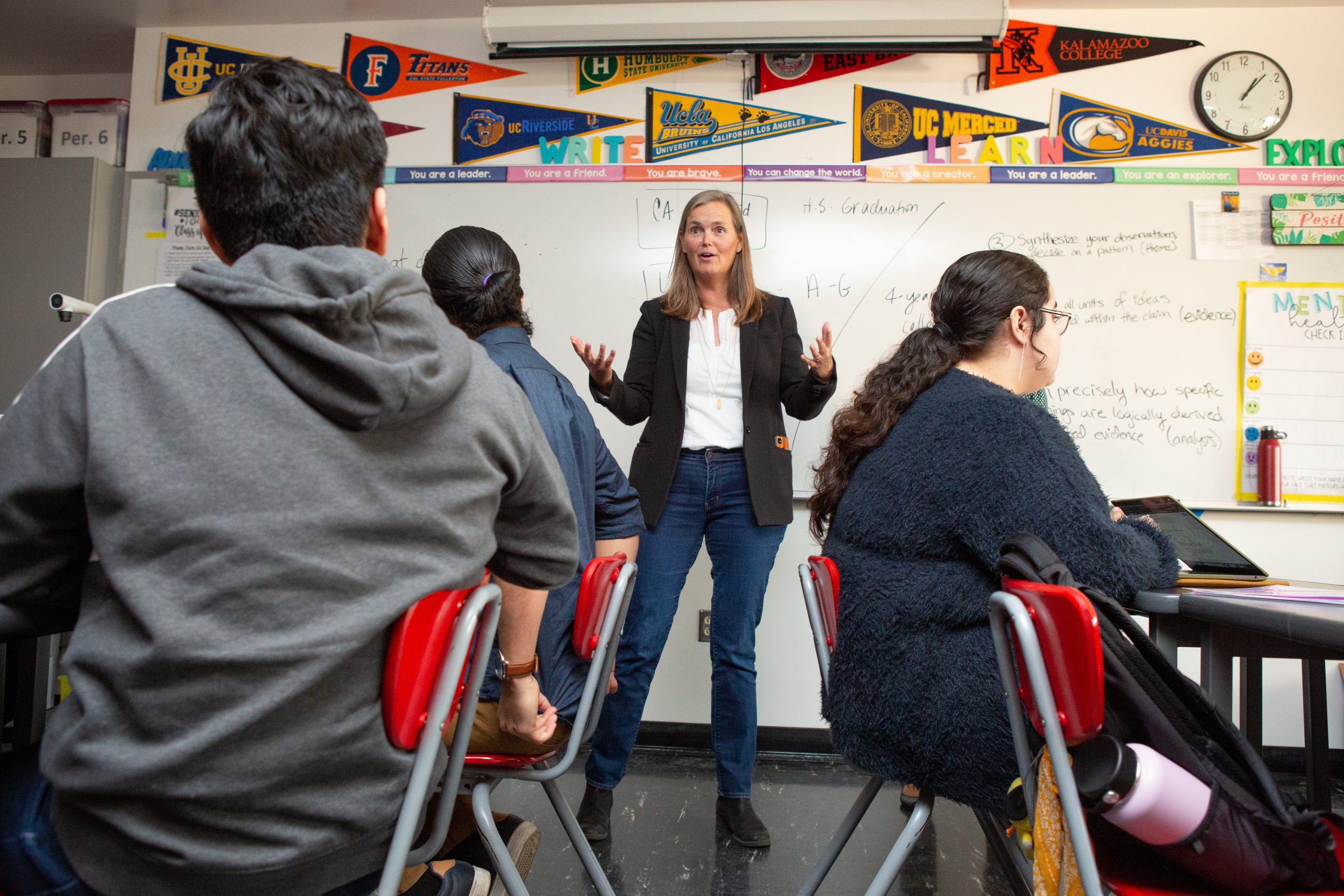
Every teacher runs their classroom a little differently. Some thrive on structure, others on flexibility, and most land somewhere in between. These differences form what educators call classroom management styles.
Understanding what your style is as a dedicated teacher can make every lesson feel smoother, calmer, and more effective for both you and your students. In this guide, we’ll explore four of the most recognized classroom management styles: authoritative, authoritarian, permissive, and indulgent.
We’ll look at how each affects student engagement, behavior, and learning outcomes. We’ll also discuss how new teachers can adapt their teaching style to suit different situations and how digital tools like Classroom Manager can help maintain a positive learning environment. Let’s get right into it.
What is classroom management?
Classroom management is the set of strategies, routines, and relationships that keep learning on track. It’s not just about enforcing classroom rules; it’s about creating an environment where students feel safe, supported, and ready to learn.
A well-managed classroom balances structure and autonomy where students know what’s expected of them, yet feel free to express ideas and take ownership of their learning. For teachers, strong classroom management skills mean fewer disruptions, smoother transitions, and more time for actual instruction and connection.
Today, digital tools and classroom management apps also help maintain structure. They help teachers monitor student behavior, manage technology use, and streamline administrative tasks — freeing more time for meaningful student engagement.
Why is classroom management important?
A 2025 study published in Cogent Education found that effective classroom management improves academic achievement by over 40% across all grade levels. And, according to Augusta University, well-managed classrooms have tangible benefits for both teachers and students. These include:
-
-
- Correcting behavioral problems
- Establishing a learning culture
- Building relationships
- Promoting health and safety
- Encouraging accountability
- Supporting diversity and inclusion
-
When students understand the boundaries of classroom expectations, they feel secure and respected. This confidence fosters student achievement, encourages student involvement, and contributes to better student outcomes overall.
Partner Contract Information
Warren Frebel
VP of Business Development
ManagedMethods


Hope leads ILTPP, our cooperative purchasing program. She also manages vendor relationships, coordinates negotiated contracts, and leads cooperative membership services, including quote requests and group purchases.